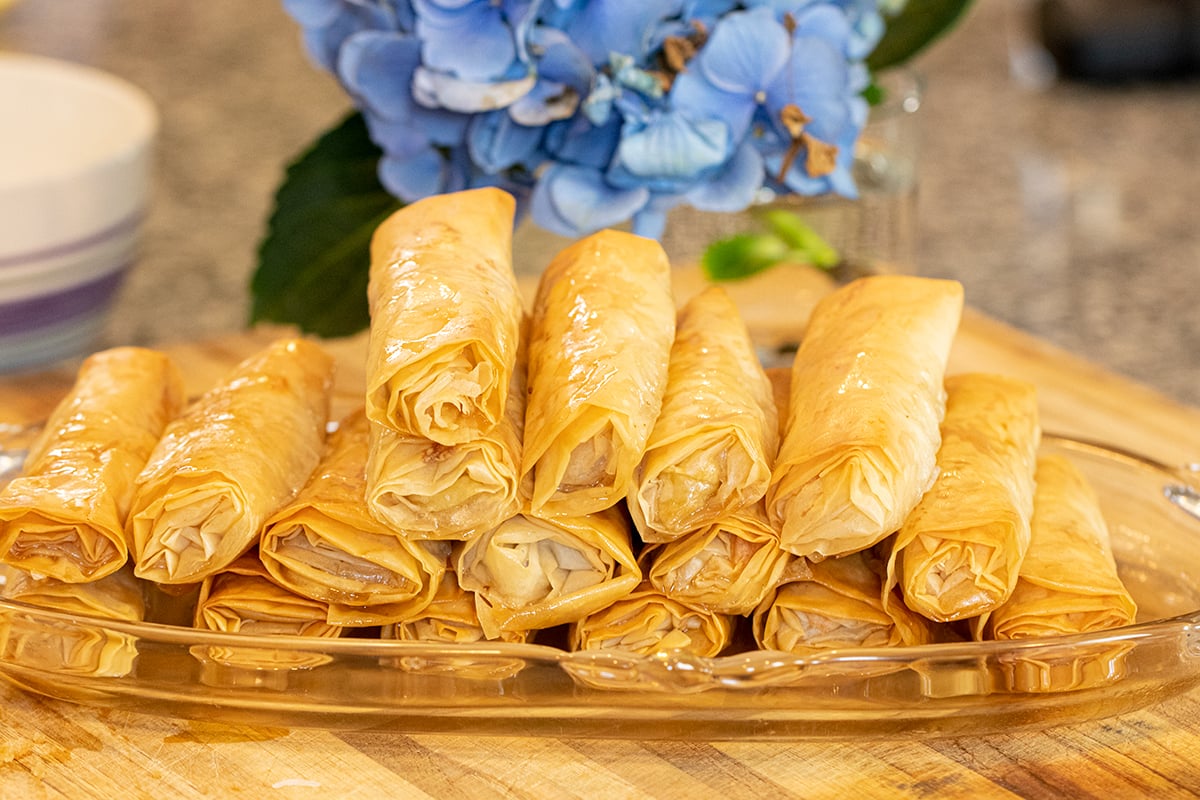
Explore Greek Flogeres: Sweet Flutes or Savory Pyrgos?
Greek cuisine is a symphony of flavors, where ancient traditions blend seamlessly with fresh, vibrant ingredients. Among its many culinary treasures, few spark as much curiosity and delight as
Flogeres. This unassuming Greek pastry, whose name charmingly translates to "flute," holds a delightful secret: it exists in two wonderfully distinct forms, each offering a unique journey for the palate. Are you craving the delicate crunch of a sweet, almond-infused treat, or the rich, savory satisfaction of a cheesy, herb-laden parcel? In this comprehensive guide, we'll unravel the mystery of
flogeres, exploring both their sweet and savory incarnations, their cultural significance, and practical tips for bringing these irresistible Greek delights into your own kitchen.
Understanding the Name: What Exactly are Flogeres?
The name
Flogeres itself offers the first clue to these pastries' identity. Directly translating to "flute" in Greek, it perfectly describes their characteristic elongated, cylindrical shape. Imagine a delicate, golden tube, crisp and inviting – much like a culinary musical instrument ready to play a delightful tune on your taste buds. This evocative name is not just a descriptor; it hints at the light, airy texture and the satisfying crunch that makes
flogeres so beloved. While the term might evoke images of a simple pastry, its versatility in Greek cooking truly elevates it, allowing it to adapt from a comforting dessert to a robust appetizer or even a light main course. The consistency in name across its variations speaks to the fundamental form, regardless of the delicious filling tucked inside.
The Allure of Sweet Flogeres: A Taste of Nostalgia
For many who grew up in Greek households, the aroma of sweet
flogeres baking in the oven is a powerful memory, a scent laden with nostalgia and the warmth of family gatherings. These delicate, cigar-shaped pastries are a true testament to simple ingredients coming together to create something extraordinary. The essence of sweet
flogeres lies in their perfect balance: a delightful crispness from layers of flaky phyllo dough meeting a subtle, comforting sweetness that never overpowers.
At their heart, sweet
flogeres are crafted from layers of gossamer-thin phyllo dough, brushed with butter and typically filled with a fragrant mixture. A classic filling often features almond extract, sometimes enriched with chopped nuts like walnuts or almonds, and a touch of warm cinnamon. The use of natural sweeteners such as honey or maple syrup beautifully complements the crispness of the pastry, creating an irresistible texture and flavor profile.
Creating these delightful pastries at home is surprisingly rewarding. The key to achieving that signature flaky perfection often comes down to a few essential techniques:
- Phyllo Prowess: Keep your phyllo dough covered with a damp cloth as you work to prevent it from drying out, and brush each layer generously with melted butter or olive oil for maximum flakiness.
- The Right Butter: Using cold, unsalted butter, cut into small cubes, helps create those airy pockets during baking, contributing to the irresistible crispness.
- Gentle Sweetness: A light dusting of powdered sugar after baking not only adds an elegant finish but also enhances the subtle sweetness without being cloying.
These charming pastries are incredibly versatile. They pair beautifully with a strong Greek coffee, a relaxing cup of herbal tea, or as an elegant conclusion to any meal. Their simple yet refined nature makes them a crowd-pleaser, whether for a quiet afternoon treat or a festive celebration. If you're eager to recreate this nostalgic delight, you'll find an easy, rewarding recipe that brings this classic indulgence right to your home oven in our detailed guide:
Bake Sweet Flogeres: Easy Greek Phyllo & Almond Flutes.
Discovering Flogeres Pyrgos: A Savory Revelation
While the sweet version of
flogeres captures hearts with its dessert-like charm, there's an equally compelling savory counterpart that offers a different, yet equally satisfying, culinary experience:
Flogeres Pyrgos. Hailing as a traditional dish from Greece, this variant showcases the incredible adaptability of phyllo pastry. Often served during festive occasions and family gatherings, Flogeres Pyrgos is a testament to the rich cultural heritage and vibrant flavors of the Mediterranean.
Unlike their sweet siblings,
Flogeres Pyrgos are typically filled with a hearty, savory mixture. The star ingredients often include creamy, tangy feta cheese, rich, earthy spinach, and a medley of aromatic Greek herbs such as dill, parsley, and mint. This combination creates a deeply satisfying flavor profile that is both robust and comforting, making it a perfect appetizer, a substantial side dish, or even a light main course.
The "Pyrgos" in the name likely refers to Pyrgos, a city in the Peloponnese region of Greece, suggesting a regional origin for this particular savory preparation. This adds another layer to the narrative of
flogeres, highlighting how local traditions can give rise to distinct culinary masterpieces.
Here's what makes
Flogeres Pyrgos stand out:
- Flavor Harmony: The salty tang of feta perfectly complements the slight bitterness of spinach, while fresh herbs provide an invigorating aromatic lift.
- Crispy Contrast: The delicate, crispy phyllo exterior offers a delightful contrast to the warm, soft, and flavorful filling within.
- Cultural Connection: More than just food, Flogeres Pyrgos often symbolizes hospitality and shared meals, embodying the spirit of Greek communal dining.
When preparing the savory filling, remember to properly sauté your spinach to remove excess moisture, ensuring your pastry remains crispy and not soggy. Crumble your feta generously and don't shy away from fresh, fragrant herbs – they truly elevate the dish. These savory flutes pair wonderfully with a refreshing Greek salad, a selection of other meze, or even a glass of crisp retsina. For a deeper dive into crafting this savory Greek delight, explore our dedicated recipe:
Flogeres Pyrgos: Savory Greek Pastry with Feta & Spinach.
Baking Your Own Flogeres: Tips for Success
Whether you opt for the sweet indulgence or the savory satisfaction, baking
flogeres at home can be a profoundly rewarding experience. The process, while requiring a gentle hand with phyllo, is accessible to home cooks of all skill levels. Here are some universal tips to ensure your
flogeres turn out perfectly every time:
- Mastering Phyllo Dough:
- Defrost Properly: If using frozen phyllo, allow it to thaw slowly in the refrigerator overnight, then bring it to room temperature for about an hour before use. This prevents tearing.
- Keep it Moist: Phyllo dries out incredibly fast. Always keep the unused sheets covered with a damp (but not wet) cloth or plastic wrap while you work to maintain flexibility.
- Brush Generously: Don't skimp on the melted butter or olive oil between layers. This is crucial for achieving that characteristic golden crispness and rich flavor.
- Rolling Techniques:
- Even Distribution: Spread your filling evenly along one edge of the phyllo sheet or strip.
- Tight but Gentle: Roll the phyllo tightly but gently to create a compact "cigar" or "flute" shape. Avoid pressing too hard, which can flatten the layers.
- Seam Down: Place the rolled flogeres seam-side down on your baking sheet to prevent them from unrolling during baking.
- Baking to Perfection:
- Preheat Oven: Ensure your oven is fully preheated to the recommended temperature for consistent baking.
- Golden Shine: For sweet flogeres, an egg wash (egg mixed with a little water) brushed on before baking gives them an irresistible golden sheen.
- Watch Closely: Phyllo bakes relatively quickly. Keep an eye on your pastries to ensure they turn a beautiful golden brown without burning.
- Customization & Creativity:
- Sweet Variations: Experiment with a splash of orange blossom water, a sprinkle of orange zest, or even different types of nuts in your sweet filling. A light syrup made with honey and lemon can be poured over sweet flogeres immediately after baking for extra moisture and flavor.
- Savory Enhancements: Beyond feta and spinach, consider adding finely chopped leeks, sun-dried tomatoes, or even a touch of ground meat (like spiced lamb or beef) to your savory mixtures. Different cheeses, such as grated graviera or kefalotyri, can also add intriguing complexity.
The duality of
flogeres is a testament to the ingenious simplicity and rich diversity of Greek cuisine. Whether you're drawn to the sweet, delicate crunch of an almond-filled flute, or the robust, herby embrace of a feta and spinach parcel, these pastries offer a delightful journey into the heart of Mediterranean flavors. They are more than just food; they are an invitation to experience Greek culture, tradition, and hospitality. So, why not embark on your own culinary adventure and discover which kind of
flogeres captures your heart? Their irresistible charm and satisfying taste are sure to leave a lasting impression, proving that sometimes, the simplest pleasures are indeed the most profound.